
Every year, thousands of Canadians feel stressed when tax season arrives.
Questions like:
-
Did I miss any deductions?
-
Will I get a refund?
-
What documents do I actually need?
-
What if I made a mistake last year?
If you’ve asked yourself any of these questions, you’re not alone.
This guide will walk you step-by-step through personal tax filing in Canada — in plain English.
The Complete Guide to Personal Tax Filing in Canada (2026)
Tax season can feel overwhelming for many Canadians. Every year, people worry about deadlines, missed deductions, unexpected balances owing, or whether they are filing their taxes correctly. If you have ever felt confused or stressed about your personal tax return, you are not alone. This guide is written to help real people understand personal tax filing in Canada in clear, simple language. No complicated terms, no pressure, just practical information you can actually use.
Who Needs to File a Personal Tax Return in Canada?
Personal tax filing applies to anyone who earns income in Canada. This includes income from employment, self-employment, investments, rental properties, or government benefits. If you received income during the year, you are generally required to file a tax return.
Even if you did not earn income, filing is often still important. Many government benefits and credits are only issued to individuals who file a return. Filing allows you to receive programs such as the GST/HST credit, the Canada Child Benefit, and other provincial credits. Many people miss out on these benefits simply because they did not file.
What Documents Do You Need to File Your Taxes?
Having the right documents makes tax filing easier and reduces the risk of mistakes. Most people need income slips provided by employers, banks, or other institutions. These may include employment income slips, investment income slips, or records of contract and freelance work.
You may also need receipts for RRSP contributions, tuition, medical expenses, childcare costs, rent, or charitable donations. It is recommended to wait until the end of March before filing to make sure all required slips have been issued.
Common Tax Deductions and Credits Many Canadians Miss
Many Canadians miss valuable deductions and credits every year. RRSP contributions can lower taxable income. Medical expenses, including dental costs, may be eligible. Tuition credits can be carried forward if they were not used in previous years. Employment-related expenses, such as working from home, may also apply in certain situations.
In Ontario, rent or property tax payments may qualify for provincial credits. Claiming the right deductions and credits can significantly increase your refund or reduce the amount of tax you owe.
Personal Tax Filing Deadlines You Should Know
For most individuals, the personal tax filing deadline is April 30. If you are self-employed, you have until June 15 to file your return, but any tax owed must still be paid by April 30 to avoid interest charges.
Filing late can result in penalties and daily interest, which can quickly add up. Filing on time helps you avoid unnecessary stress and extra costs.
What Happens If You Do Not File Your Taxes?
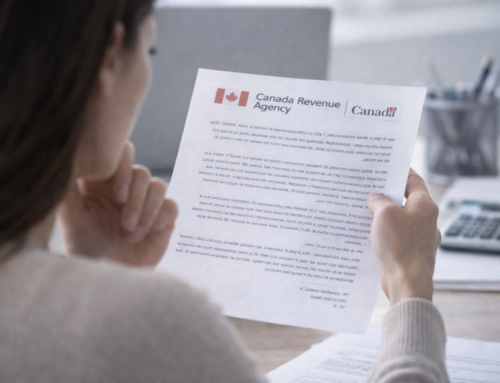
Not filing your taxes can lead to serious consequences. You may lose access to government benefits, delay refunds, or receive notices from the Canada Revenue Agency. In some cases, penalties and interest may apply.
If you missed filing in previous years, it is usually still possible to catch up. Many people discover they are actually owed money when past returns are filed correctly.
How Much of a Tax Refund Can You Expect?
Tax refunds vary depending on income, tax withheld, deductions claimed, and credits available. Some individuals receive small refunds, while others receive several thousand dollars.
Guessing or filing incorrectly can lead to missed refunds or future reassessments. A professional review can help ensure everything is reported accurately and legally.
Should You File Your Taxes Yourself or Use a Professional?
Some people choose to file their taxes themselves using online software. This can work well for simple situations, such as having a single job and no additional income.
Professional assistance is often recommended if you are self-employed, have multiple income sources, investments, rental properties, or have received correspondence from the CRA. In these cases, mistakes can be costly and time-consuming to fix.
What If You Made a Mistake on a Previous Tax Return?
If you made a mistake on a previous return, it is usually possible to correct it. Adjustments can be filed to update income, claim missed credits, or correct errors. Many Canadians recover money they were entitled to but did not claim in earlier years.
Final Thoughts on Personal Tax Filing in Canada
Personal tax filing does not have to be stressful or confusing. With the right information and guidance, you can file with confidence, avoid penalties, and make sure you are receiving every benefit you are entitled to. If you are unsure about your situation or want peace of mind, speaking with a qualified tax professional can make a real difference.